Flavors of Sri Lanka
Sri Lankan cuisine is a delightful fusion of indigenous traditions with influences from India, Portugal, the Netherlands, and Britain. Known for its use of spices, coconut, and rice, the food is both flavorful and diverse.
Must-Try Dishes
1. Rice and Curry
The national dish consists of rice served with multiple curries including dhal (lentils), vegetables, fish or meat curries, and sambols (spicy condiments). Each meal is a feast!
2. Hoppers (Appa)
Bowl-shaped pancakes made from fermented rice flour and coconut milk. Try:
- Plain hoppers: Crispy edges, soft center
- Egg hoppers: With an egg cooked in the center
- String hoppers: Steamed rice noodle nests
3. Kottu Roti
A popular street food where chopped roti is stir-fried with vegetables, eggs, and meat on a hot griddle. The rhythmic chopping sound is iconic in Sri Lankan streets.
4. Seafood Delights
- Ambul Thiyal (sour fish curry)
- Prawn curry with coconut milk
- Grilled fish at beach restaurants
- Cuttlefish curry
5. Lamprais
Dutch-influenced dish featuring rice cooked in stock, served with mixed meat curry, sambols, and boiled egg, all wrapped in banana leaf and baked.
Sweet Treats
- Watalappan: Coconut custard pudding with jaggery and spices
- Kiribath: Milk rice served at celebrations
- Kokis: Crispy deep-fried cookies
- Curd and treacle: Buffalo curd with palm syrup
Beverages
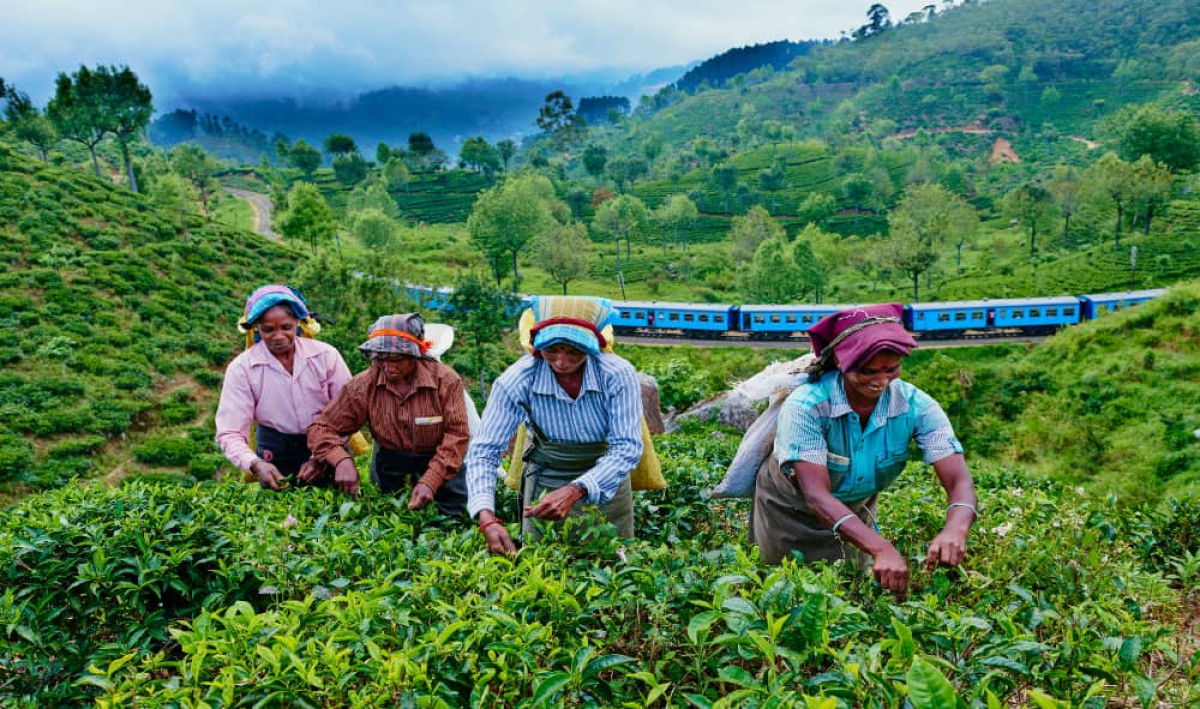
- Ceylon Tea: World-famous black tea from hill country plantations
- King Coconut Water: Refreshing natural drink
- Faluda: Sweet milk drink with jelly and ice cream
- Arrack: Local spirit made from coconut flower sap
Food Experiences
Cooking Classes
Join a traditional cooking class to learn how to prepare authentic Sri Lankan dishes. Many classes include market visits to source fresh ingredients and spices.
Street Food Tours
Explore local markets and street food stalls to taste authentic local flavors. Popular spots include Galle Face Green in Colombo and Kandy Market.
Fine Dining
Upscale restaurants offer modern interpretations of traditional dishes with stunning presentations.
Spice Level Guide
Sri Lankan food can be spicy! Here's how to navigate:
- Always ask "Is this spicy?" before ordering
- Request "less spicy" if you prefer milder flavors
- Coconut sambol (pol sambol) is usually very spicy
- Have plain rice, yogurt, or cucumber nearby to cool down
- Gradually build your tolerance to enjoy authentic flavors
Dietary Considerations
Vegetarian/Vegan: Excellent options with many naturally vegan curries using coconut milk. Rice and curry meals often include multiple vegetable dishes.
Food Allergies: Communicate clearly about allergies, especially to coconut, which is used extensively.
Where to Eat
- Local restaurants ("rice and curry" shops): Authentic, budget-friendly
- Hotel restaurants: Buffet-style rice and curry spreads
- Street food stalls: Fresh, affordable, local favorites
- Upscale dining: Contemporary Sri Lankan fusion cuisine
Embark on a culinary journey through Sri Lanka and discover why the island's food is as memorable as its landscapes and heritage sites!